Introduction: The Future of Plant Biotechnology
In modern biotechnology, plant tissue culture and bioreactor systems have revolutionized how scientists propagate, preserve, and study plant cells. These advanced technologies allow researchers to produce genetically stable and disease-free plant materials under controlled laboratory conditions.
The integration of bioreactor monitoring technologies has made it possible to achieve consistent, scalable, and reproducible results, creating new opportunities in agriculture, pharmaceuticals, and environmental research. Whether you’re an experienced biotechnologist or a student entering the lab for the first time, understanding how to optimize your plant culture environment is the foundation of successful experiments.
Step by Step Guide to Plant Tissue Culture in Bioreactors
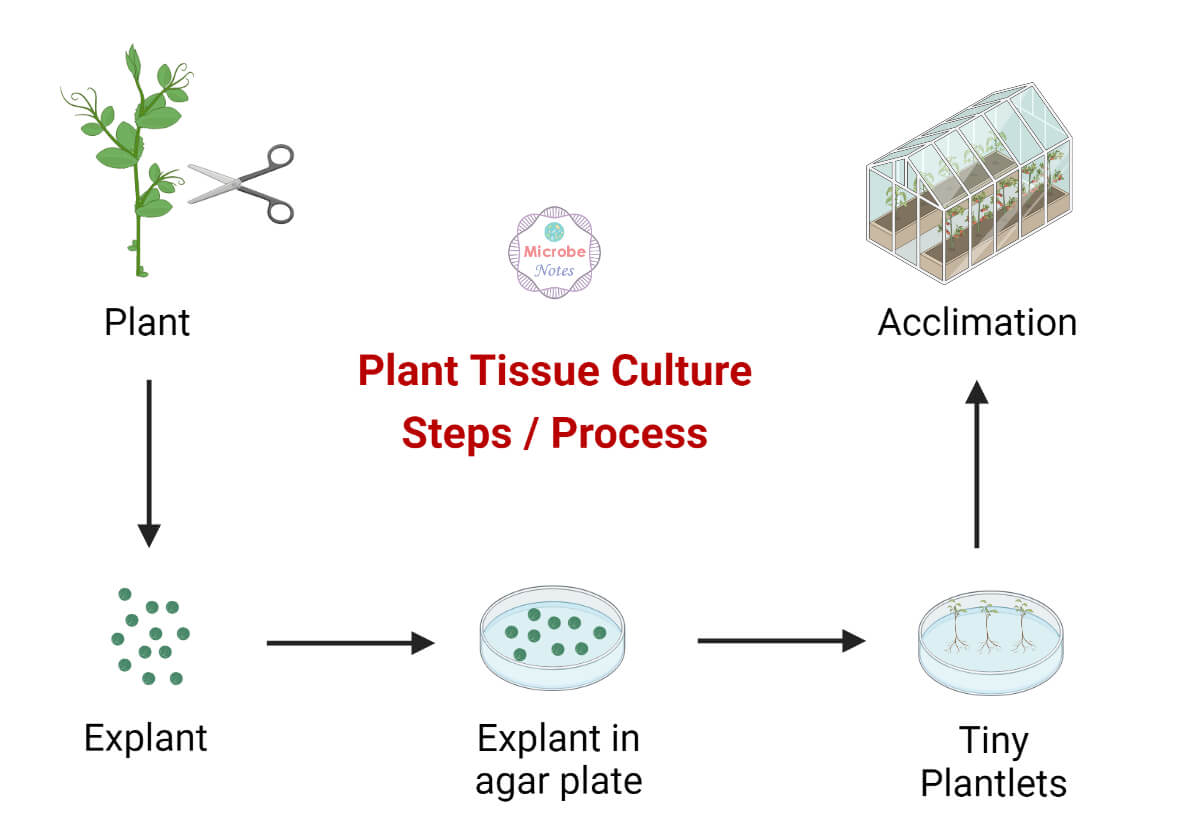
Plant tissue culture involves growing plant cells, tissues, or organs in sterile, nutrient-rich media. When combined with bioreactor systems, this process becomes even more efficient, allowing continuous monitoring and controlled environmental conditions such as temperature, aeration, and nutrient supply.Read more
Step 1: Selection of Plant Material
Start with a healthy explant a small section of tissue taken from leaves, stems, or roots. The quality of your explant determines the success of your culture.Learn more

Step 2: Sterilization
Surface sterilize the plant tissue using mild disinfectants such as ethanol or sodium hypochlorite to eliminate microbial contamination. Learn more
Step 3: Media Preparation
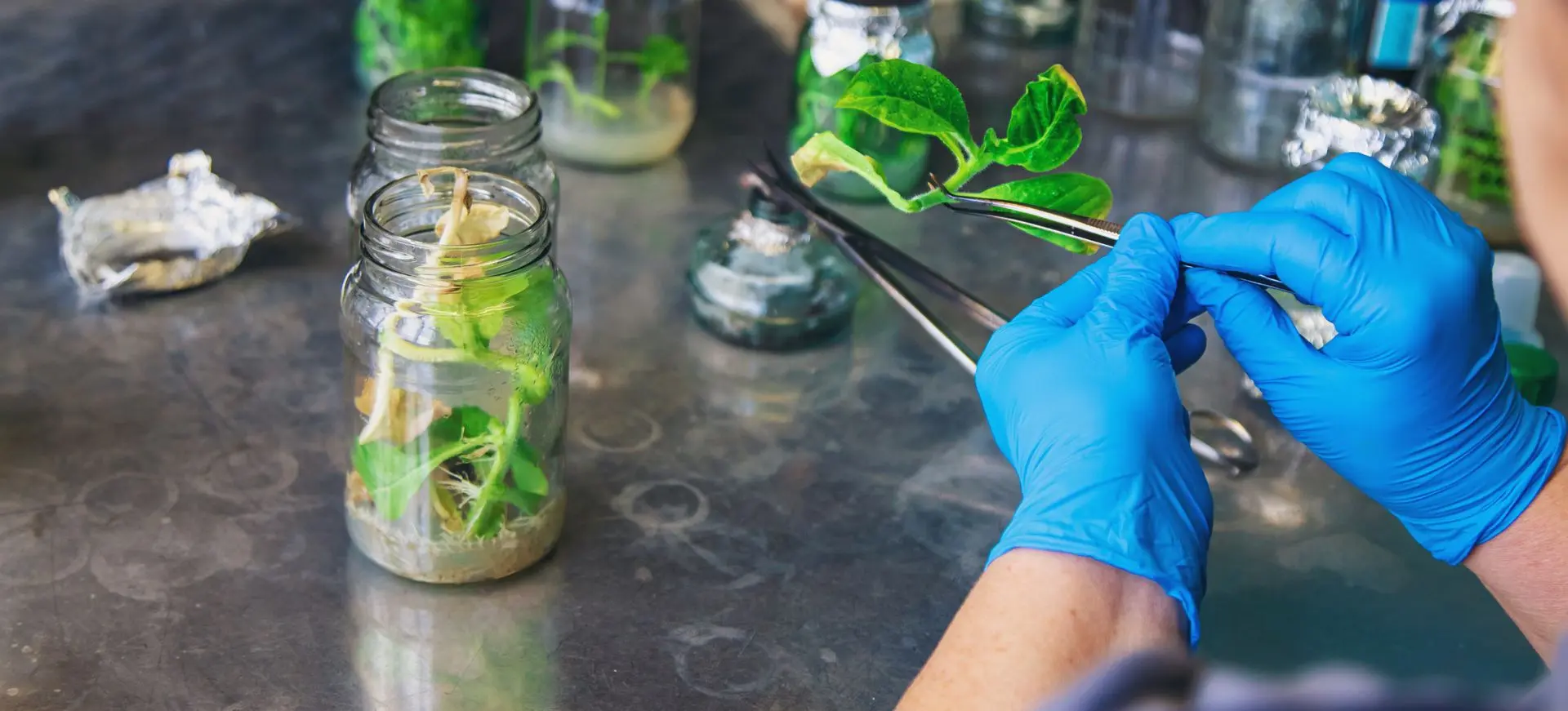
Prepare a nutrient medium (commonly Murashige and Skoog medium) enriched with vitamins, minerals, and plant growth regulators like auxins and cytokinins.
Step 4: Inoculation and Incubation
Transfer the sterilized explant to the medium under a laminar flow hood. The culture should be incubated at an optimal temperature and light cycle depending on the plant species.Learn more

Step 5: Transfer to Bioreactor
Once small plantlets begin to form, they can be transferred into a bioreactor vessel. The controlled environment in a bioreactor provides uniform aeration, nutrient distribution, and light exposure, resulting in rapid biomass accumulation and homogeneous plant growth.